
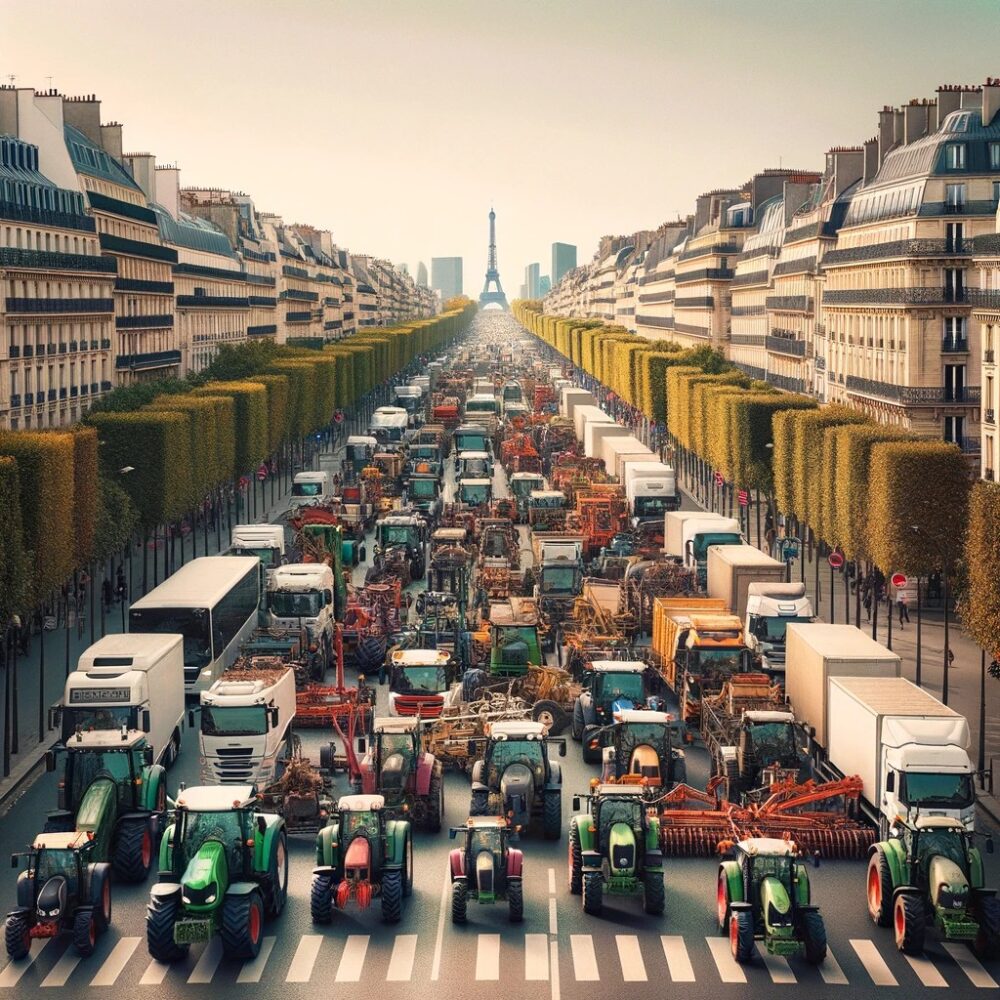
German and French Farmers’ Protests: A Global Silence Amid Growing Unrest
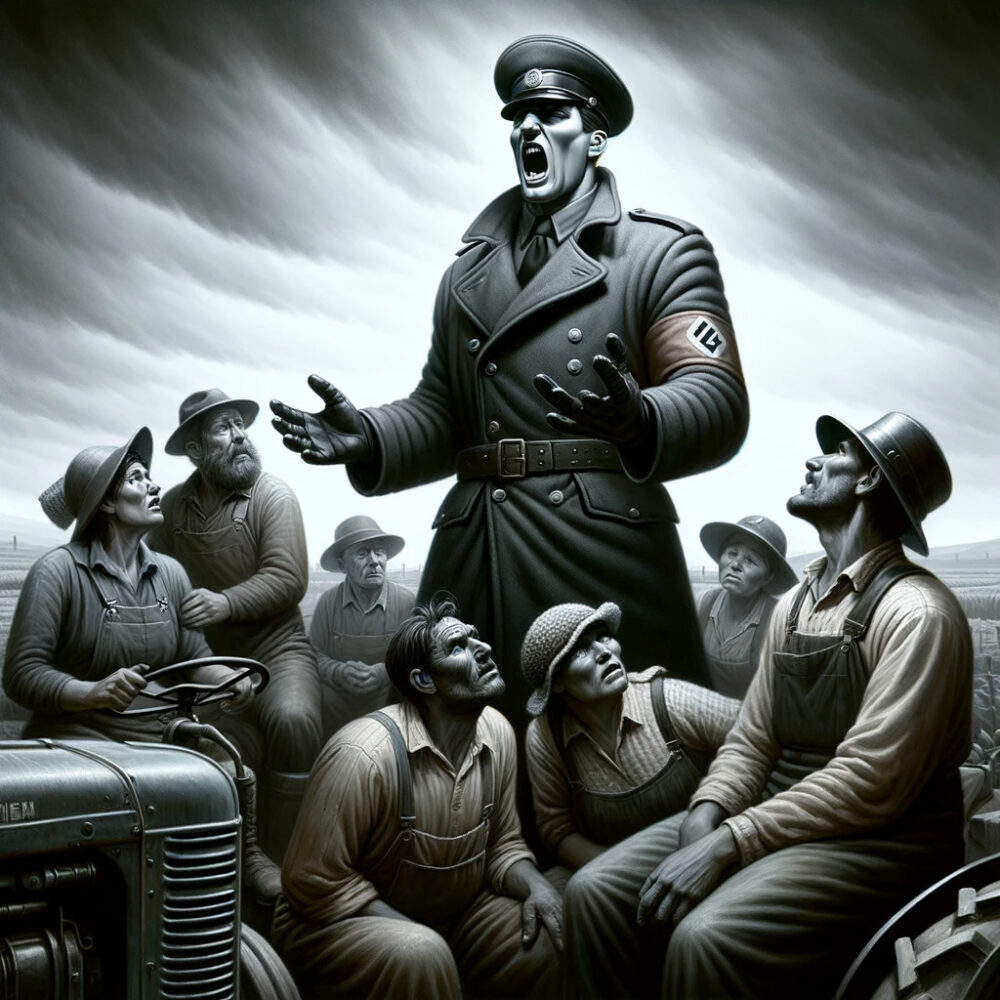
The world is not reporting on this, but the German and French farmers are protesting against their government. They are fed up. What will happen next? Will the German government go Nazi on the farmers? Or will they make a change for the better? Could this happen in the United States?
Farmers in Germany and France have been up in arms against their government over a series of proposed measures that they believe will harm their livelihoods. These measures include the removal of tax breaks for diesel used in agriculture and a vehicle tax for agricultural vehicles, both of which have been met with fierce opposition from the farming community. The protests have been gaining momentum over the past few weeks, with farmers taking to the streets in their tractors to make their voices heard.
The protests have been largely ignored by the global media, which has led to a growing sense of frustration among the farmers. They feel that their concerns are not being taken seriously and that the government is not listening to them. This has only served to fuel the protests, with more and more farmers joining in to demand that their voices be heard.
One of the key concerns among the farmers is that the government is not doing enough to support them. They argue that the proposed measures will only serve to make their lives more difficult and that the government should be doing more to help them. European governments are taxing farmers and forcing them off their land. What if this happened in the United States in places like Nebraska, Texas, or Ohio? Would the American people put up with additional taxes against farmers? This is a sentiment that is shared by many farmers around the world, who feel that they are being left behind by governments that are more interested in the interests of big business than the needs of small-scale farmers.
The protests have been met with a mixed response from the government, with some officials suggesting that the farmers are simply being unreasonable. However, there are also those within the government who are sympathetic to the farmers’ cause and who are calling for a more measured response. This has led to a growing divide within the government, with some officials calling for a more heavy-handed approach while others are urging for a more conciliatory one.
As the protests continue to grow, there is a sense that something has to give. The government cannot continue to ignore the concerns of the farmers, and the farmers cannot continue to protest indefinitely. The question is, what will happen next?
One possibility is that the government will take a more heavy-handed approach, cracking down on the protests and using force to disperse the farmers. This would be a dangerous move, as it would only serve to inflame the situation and could lead to further unrest. It would also damage the government’s reputation and could lead to a loss of support from the public.
Another possibility is that the government will make a change for the better. This could involve a reevaluation of the proposed measures and a willingness to engage in dialogue with the farmers. It could also involve a commitment to do more to support small-scale farmers and to address their concerns. This would be a positive development, as it would show that the government is willing to listen to the concerns of its citizens and to take action to address them.
The situation in Germany and France is a reflection of the growing unrest among farmers around the world. It is a reminder that the concerns of small-scale farmers cannot be ignored and that governments must do more to support them. What if this happened in the USA? Would American farmers stand up to the government? It remains to be seen what will happen next, but one thing is clear: the world is watching and waiting to see how the situation unfolds.